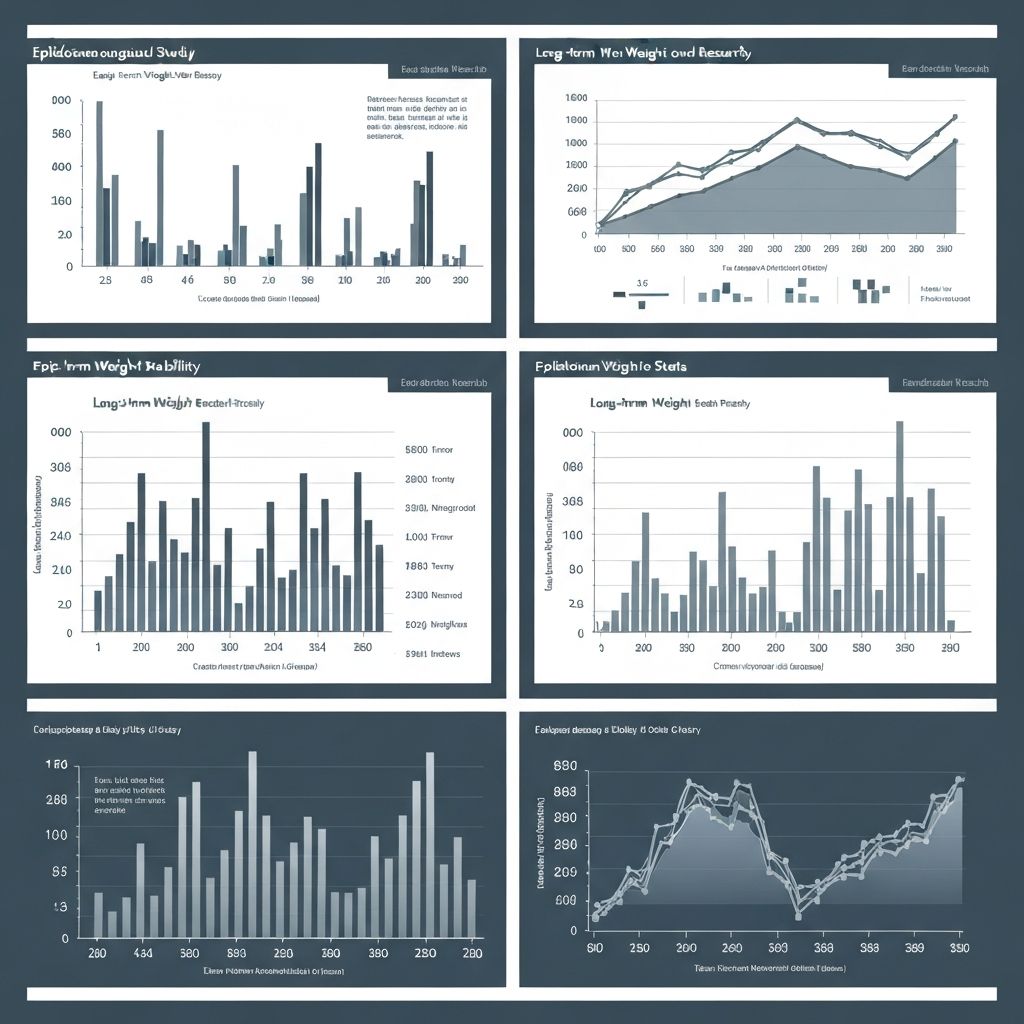
Population-Level Associations and Individual Context
Observational cohort studies examining thousands of individuals have documented associations between higher levels of muscularity and more favorable long-term energy balance outcomes. This article reviews population-level research while emphasizing the crucial distinction between association and causation.
Population-Level Associations
Cross-sectional and prospective cohort studies document associations: individuals with higher muscle mass indices or strength levels tend to have more stable weight over time compared to those with lower muscularity. These associations are observed across age groups and sexes. However, associations cannot establish causation. Confounding variables including genetics, dietary patterns, total physical activity levels, sleep quality, stress management, and other lifestyle factors all influence both muscularity and energy balance.
The Confounding Problem
Individuals with higher muscle mass typically differ in many ways beyond muscle tissue alone. They often maintain better overall lifestyle habits, have different genetic predispositions, engage in higher total physical activity, consume better nutrition, and manage stress differently. These factors independently influence weight stability. Research cannot isolate the specific causal contribution of muscle mass alone without accounting for these complexities.
Individual Heterogeneity
Population averages hide enormous individual variation. Some individuals with high muscle mass experience unstable weight. Others with lower muscularity maintain stable weight. The population-level average does not predict individual trajectories. Long-term weight stability depends on complex interactions across multiple lifestyle domains, not on any single factor.
Disclaimer: Population data describes associations, not predictions for individuals. For personal guidance, consult qualified professionals.
Conclusion
Population associations between muscularity and weight stability are documented but represent correlations within complex systems. Individual outcomes depend on integrated lifestyle patterns across multiple domains.